Jakarta, Tuesday, 20 January 2026 — ICE Institute actively participated as a key speaker in the 2026 National Working Meeting (Rakernas) of the Indonesian Aquaculture Society (MAI), held at Swiss-Belhotel Airport, Jakarta. The event carried the theme “Strategies to Accelerate the Strengthening of National Aquaculture Production and Export”, reflecting Indonesia’s response to both challenges and opportunities in developing the aquaculture sector at national and global levels.
The strategic forum was attended by prominent figures, including Prof. Dr. Ir. Rokhmin Dahuri, and Dr. TB. Haeru Rahayu, along with representatives from various ministries and government agencies, universities, professional associations, certification bodies, researchers, and aquaculture business actors from across Indonesia.
Strengthening Human Resource Capacity in Aquaculture
During the forum, ICE Institute was given the opportunity to present its role and contribution in strengthening aquaculture human resources (HR) through digital and competency-based learning approaches.
The presentation was delivered by Prof. Fatia Fatimah, under the title:
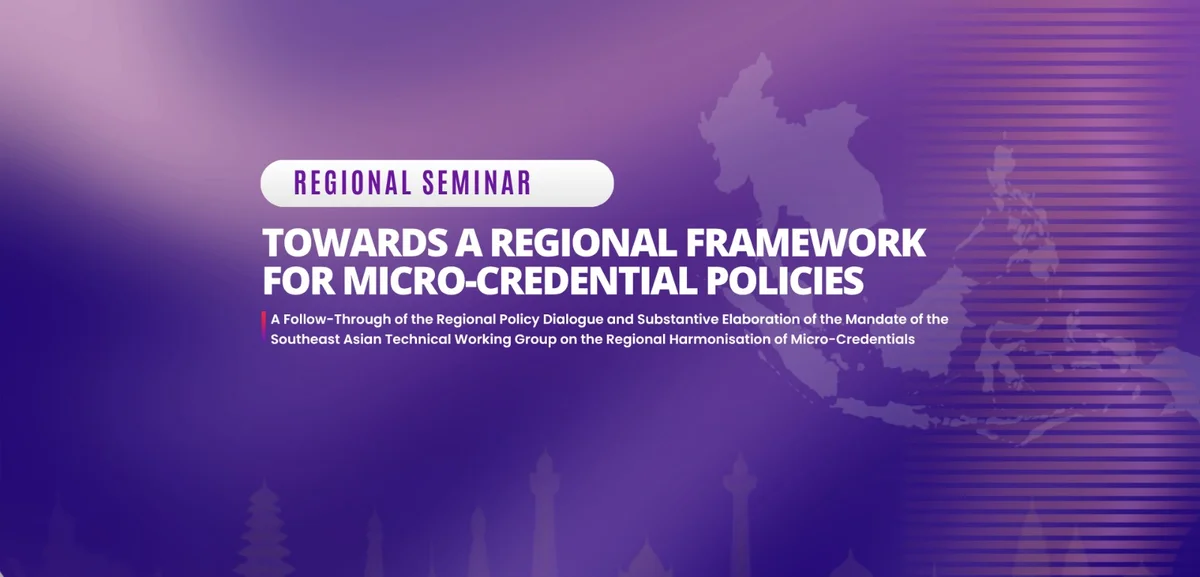
“Implementation of Micro-Credential Education and Assessment for Strengthening Aquaculture Production.”
In her presentation, Prof. Fatia emphasized that the main challenges in developing Indonesia’s aquaculture sector are not only related to technology and production infrastructure, but also to the readiness and quality of human resources involved across the aquaculture value chain.
She highlighted that global market changes, food safety and quality standards, and sustainability requirements demand a more adaptive, flexible, and industry-relevant competency development model.
“The transformation of the aquaculture sector requires human resource development systems that are agile, modular, and aligned with industry needs. Micro-credentials provide a strategic pathway to achieve this,” she stated.
Micro-Credentials as a Strategic Solution
Prof. Fatia further explained that micro-credential education offers a strategic solution to bridge the gap between formal education and real-world industry needs.
Through this approach, aquaculture practitioners, extension officers, technicians, and professionals can obtain recognized competency certifications in specific skill areas within a shorter, structured, and standardized learning pathway, without necessarily undergoing long-term formal education.
As Indonesia’s national digital learning marketplace under the mandate of the Ministry of Education, Culture, Research, and Technology, ICE Institute provides an integrated learning ecosystem that combines digital learning materials, competency-based assessments, and nationally recognized certification systems. This model is also expected to evolve toward international recognition in the future.
Strategic Collaboration Opportunities
On the same occasion, Prof. Fatia outlined potential strategic collaborations between ICE Institute and the Indonesian Aquaculture Society (MAI).
These include:
- Development of aquaculture-focused micro-credential programs
- Competency enhancement for aquaculture extension officers and technicians based on industry needs
- Integration of professional assessment and certification systems aligned with national and international standards
Such initiatives are expected to strengthen workforce capacity across the aquaculture sector while improving productivity, quality, and export competitiveness of Indonesian aquaculture products.
Positive Response and Cross-Sector Synergy
The discussion session attracted strong interest from participants of the National Working Meeting, particularly regarding ICE Institute’s approach to human resource development through digital learning and micro-credentials.
Cross-sector collaboration between government institutions, professional associations, and educational platforms was widely acknowledged as a key driver in transforming the aquaculture sector toward a more sustainable, competitive, and export-oriented industry.
Commitment to Sustainable Human Resource Development
Through its participation in the MAI National Working Meeting 2026, ICE Institute reaffirmed its commitment to contributing to the development of high-quality human resources through digital learning innovation and micro-credential systems.
The collaboration is expected to serve as a strong foundation for strengthening Indonesia’s aquaculture ecosystem—making it more adaptive to technological advancement, industry demands, and global market dynamics.
 Regional Seminar
 information
 Informasi
 Informasi
 information
 partnership