ICE Institute held a strategic discussion with the Directorate of Educational Transformation and Learning Technology (DTPTP) of IPB University as part of preparations for the second semester of the 2023/2024 academic year. The meeting took place at the IPB Dramaga Campus and focused on strengthening collaboration in developing Indonesia’s digital learning ecosystem.
ICE Institute Director, Paulina Panen, stated that the discussion is part of ICE Institute’s ongoing efforts to enhance its partnership with IPB University, particularly in developing sustainable business models for online learning, introducing paid course schemes, and strengthening self-paced learning systems on the ICE Institute platform.
ICE Institute is also accelerating the renewal of the Cooperation Agreement (Perjanjian Kerja Sama/PKS), which will include updated financing schemes for course implementation in Batch 7, scheduled to commence in July 2024.
During the discussion, ICE Institute emphasized the importance of expanding access to General Basic Courses (Mata Kuliah Dasar Umum/MKDU) through the ICE Institute platform. This initiative is expected to support universities in Indonesia that face limitations in independently delivering MKDU courses, while also promoting equitable access to higher education through digital learning.
ICE Institute also acknowledged IPB University’s readiness to offer a number of courses on the ICE Institute platform, including plans to develop international-level courses. This aligns with ICE Institute’s vision to expand cross-institutional learning collaboration at both national and global levels.
In addition, ICE Institute supports the advancement of Massive Open Online Courses (MOOCs) based on self-paced learning being developed by IPB University, including the Virtual Education (Virtu-Edu) initiative as part of a broader technology-driven digital learning ecosystem.
ICE Institute hopes this collaboration will soon be formalized through a renewed and more comprehensive PKS, covering financial schemes, institutional contributions, and course management mechanisms, ultimately serving as a model for inter-university digital education collaboration in Indonesia.
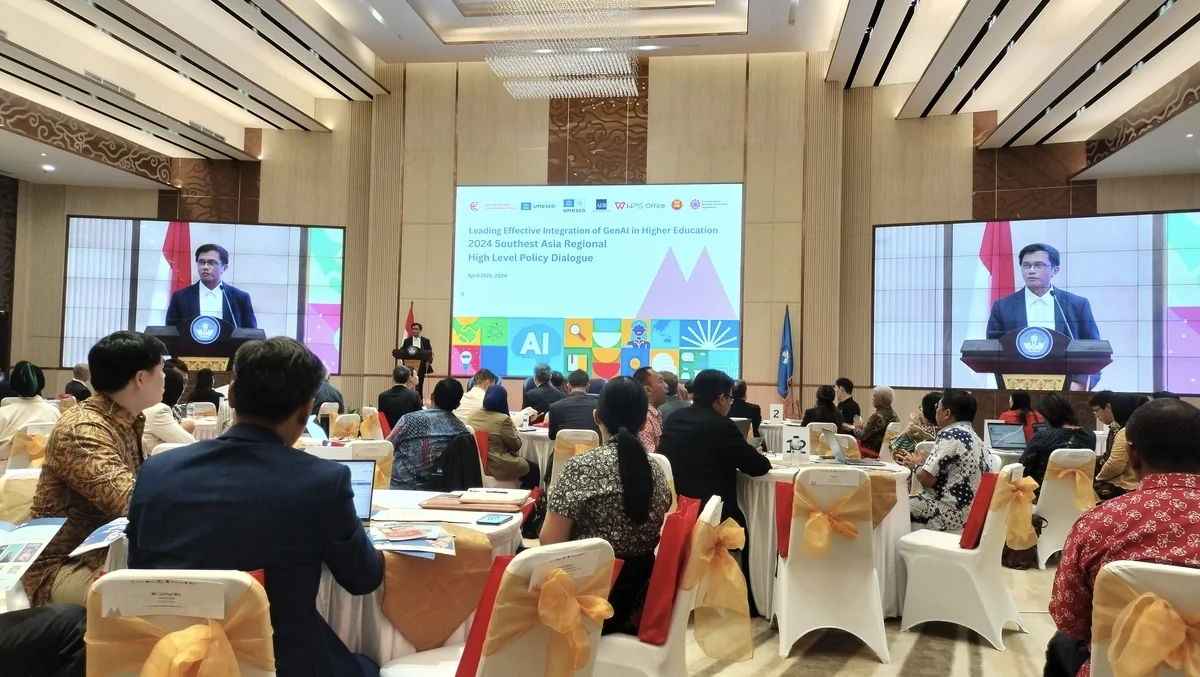 policy dialogue
 Regional Seminar
 information
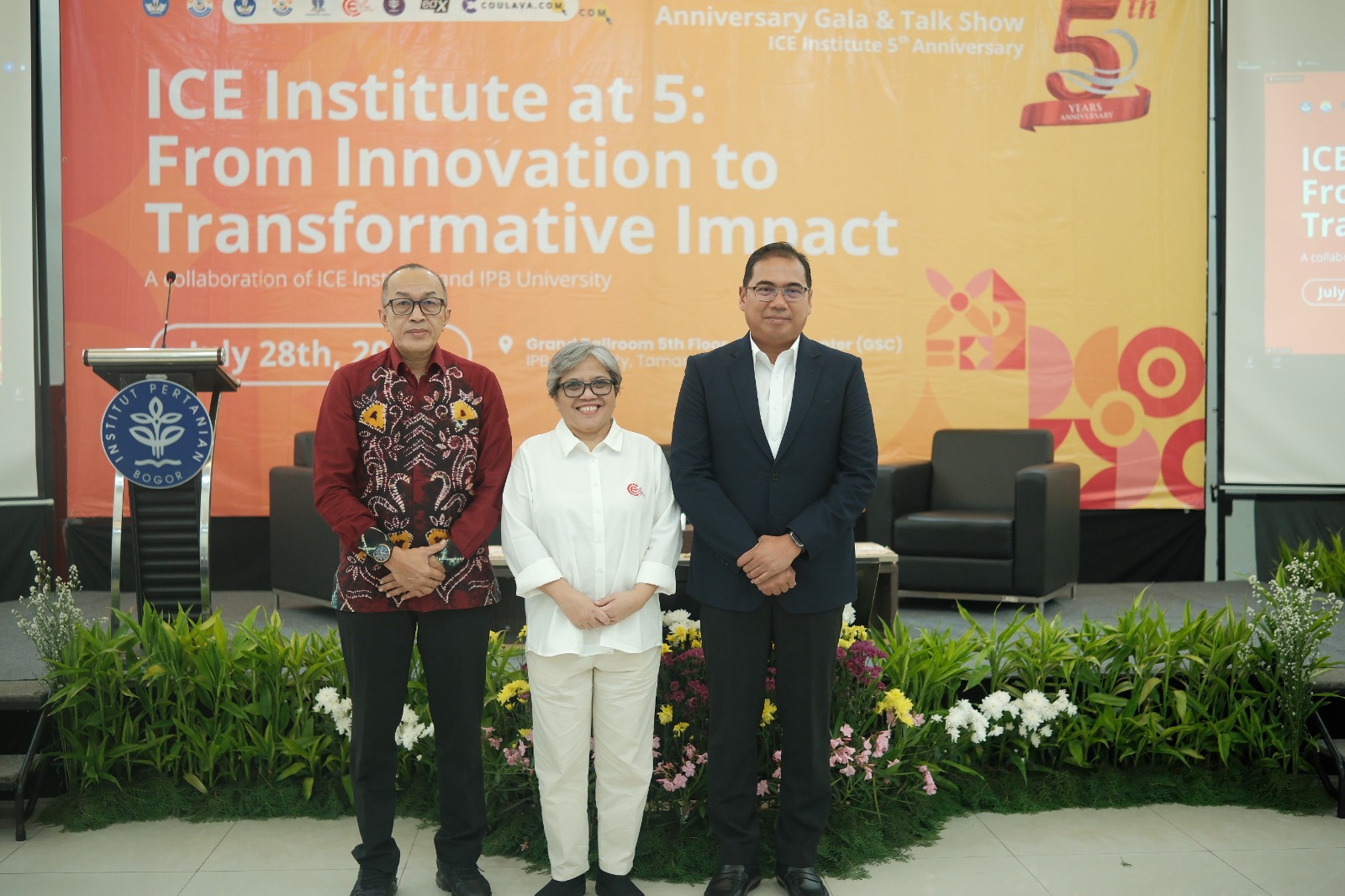 Informasi
 Informasi
 information