South Korea — Universitas Terbuka (UT) and ICE Institute are actively exploring strategic collaborations with several prominent institutions and universities in South Korea as part of their ongoing commitment to strengthening digital education, lifelong learning, and innovation in distance education.
The Indonesian delegation was represented by Dr. Mohamad Yunus, Prof. Dr. Paulina Pannen, and Dr. Heni Safitri.
This strategic initiative reflects the shared commitment of UT and ICE Institute to expand international cooperation in digital learning, curriculum development, educational technology, research collaboration, and multimedia-based education. The partnership exploration is also expected to facilitate knowledge exchange and the adoption of best practices in open and distance learning, an area in which South Korea has demonstrated significant advancement.
Prof. Dr. Paulina Pannen, Founder of ICE Institute, emphasized the importance of this international engagement.
“This collaboration represents an important step in strengthening international partnerships in digital education and lifelong learning. Through these discussions, we hope to create innovative learning opportunities and expand global access to quality education,” she stated.
Collaboration with National Institute for Lifelong Education (NILE)
One of the key meetings was held with National Institute for Lifelong Education (NILE). Discussions focused on the development of lifelong learning programs and collaborative curriculum initiatives designed to support more flexible and inclusive education systems.
Both parties also exchanged insights on best practices in distance education and explored opportunities to improve educational accessibility through technology-driven learning approaches. The discussion emphasized the importance of building adaptive learning ecosystems capable of responding to the evolving needs of society and the workforce.
Dr. Mohamad Yunus highlighted the significance of this partnership.
“We see strong potential in collaborating with NILE to strengthen lifelong learning systems and enhance the quality of open and distance education. This partnership will help us design more responsive and inclusive academic frameworks,” he said.
Collaboration with KMOOC
In addition, the delegation met with Korean Massive Open Online Course (KMOOC), South Korea’s national MOOC platform. The meeting explored potential collaboration in the development of technology-based digital learning platforms and Massive Open Online Courses (MOOCs) that could enrich educational content and broaden learning access in both countries.
The discussion also highlighted opportunities for joint online course development, digital content exchange, and the implementation of more interactive and learner-centered educational technologies. Through this collaboration, both institutions aim to strengthen the digital learning ecosystem and expand access to high-quality education across borders.
Engagement with Hanyang University
Another important agenda involved discussions with Hanyang University in Seoul. The meeting involved distinguished representatives including Young Hee Hwang, Jieun Lee, Dae-Hyun Baek, Hyejin Baek, and Sung Un Park.
The discussions covered a wide range of strategic collaboration opportunities, including joint academic programs between Hanyang University and Universitas Terbuka, research collaboration in educational technology, and internship opportunities for UT professionals in multimedia and digital learning development.
A major focus of the meeting was the development of innovative multimedia-based educational content. The Indonesian delegation also visited Hanyang Cyber University’s Educational Media Production Center and digital learning studios, which are widely recognized for their advanced and integrated learning technology infrastructure.
Prof. Dr. Paulina Pannen expressed her appreciation for the experience.
“The visit to Hanyang University provides valuable insights into how advanced multimedia technologies are integrated into education. We believe these practices can inspire further innovation in Indonesia’s digital learning ecosystem,” she said.
Strategic Outlook
This international collaboration is expected to become a strategic milestone in enhancing the quality and global competitiveness of Indonesian education. By leveraging technological innovation and international partnerships, UT and ICE Institute seek to accelerate the development of more inclusive, flexible, and sustainable education systems.
Furthermore, the partnership is expected to contribute significantly to the advancement of open and distance learning in Indonesia, particularly in addressing future workforce competency needs and expanding access to quality education for broader communities.
As digital transformation continues to reshape the education sector worldwide, cross-border collaborations such as these play a crucial role in building adaptive and future-ready learning ecosystems that support lifelong learning and sustainable human resource development.
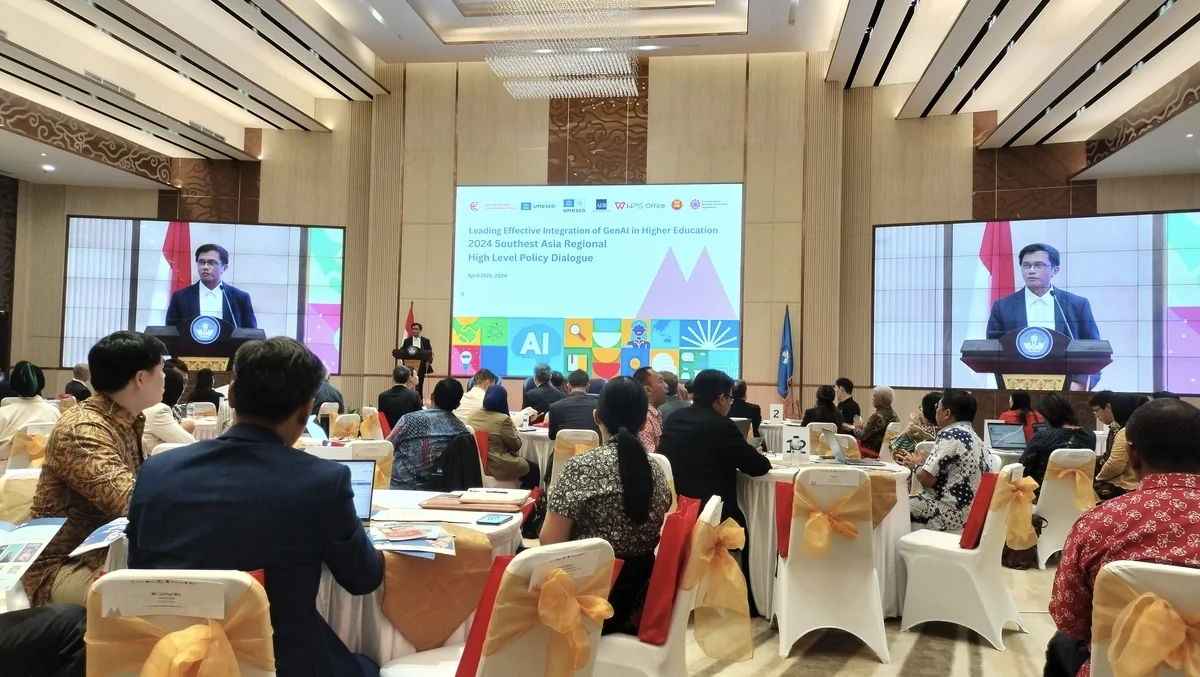 policy dialogue
 Regional Seminar
 information
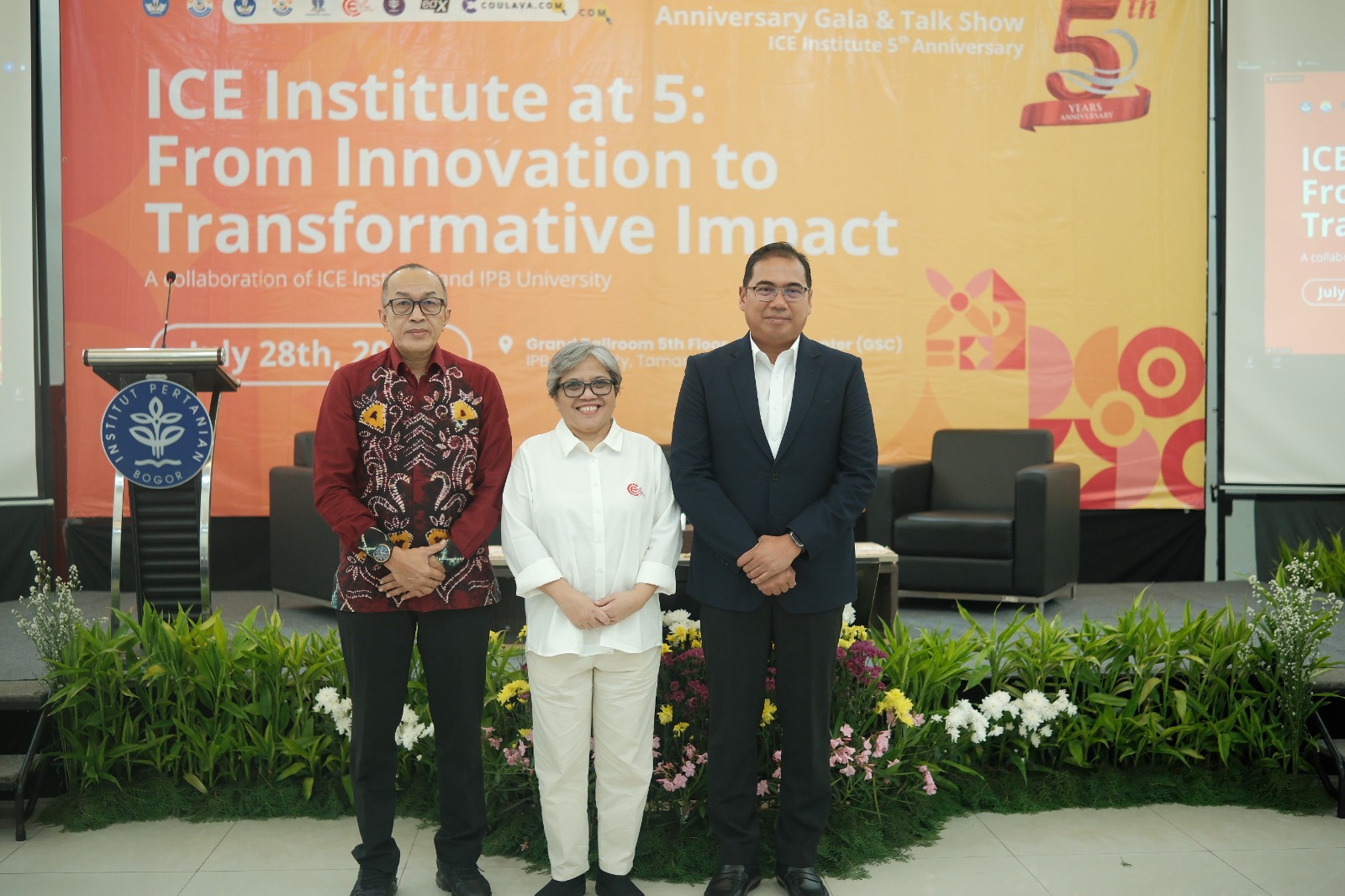 Informasi
 Informasi
 information