About This Course
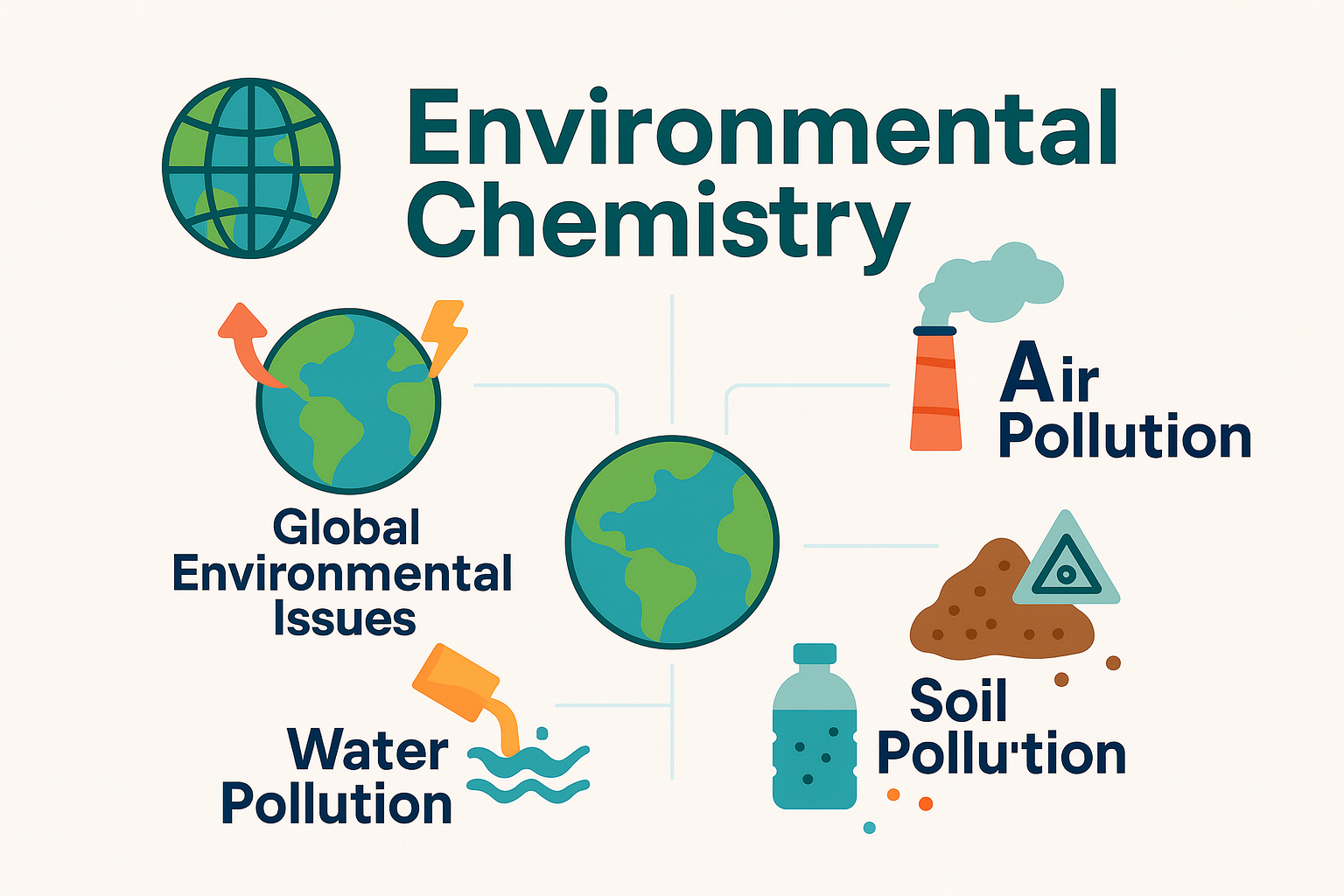
This course explores the scientific foundations, real-world cases, and emerging challenges of environmental pollution. Students will study traditional pollutants such as those affecting air, water, and soil, along with heavy metals and new threats like microplastics and pharmaceutical residues. By integrating scientific, policy, and social perspectives, learners will gain the ability to critically analyze environmental problems and design sustainable solutions.
Learning Outcomes
By the end of the course, students will be able to:
1. Explain the mechanisms of global warming, ozone depletion, and acid rain.
2. Identify major air, water, and soil pollutants and their environmental pathways.
3. Interpret pollution indicators such as PM2.5, DO, BOD, COD, and heavy metal concentrations.
4. Evaluate ecological and human health impacts of environmental contamination.
5. Compare pollution prevention and remediation strategies, including emission control and phytoremediation.
6. Analyze the risks of microplastics and emerging contaminants like PFAS, pharmaceuticals, and nanomaterials.
7. Formulate evidence-based solutions and communicate them effectively in environmental contexts.
Topics / Modules
1. Global Environmental Issues – Greenhouse effect, ozone depletion, and acid rain.
2. Air Pollution– Sources, pollutants, smog formation, and health impacts.
3. Water Pollution – Industrial, domestic, and agricultural sources; water quality parameters.
4. Soil Pollution – Persistent pollutants, agricultural chemicals, and remediation techniques.
5. Microplastics and Emerging Pollutants – Case studies, PFAS, pharmaceutical residues, and policy frameworks.
Duration and Study Load
The program consists of 5 sessions designed for self-paced learning. Students are expected to dedicate about 100 minutes per week for 5–6 weeks, including lectures, readings, discussions, and quizzes.
Language and Delivery
The language of instruction is English, enabling learners to engage with global literature and scientific vocabulary in environmental chemistry. The course is delivered through a combination of videos, readings, interactive quizzes, and discussion forums.
Course Staff
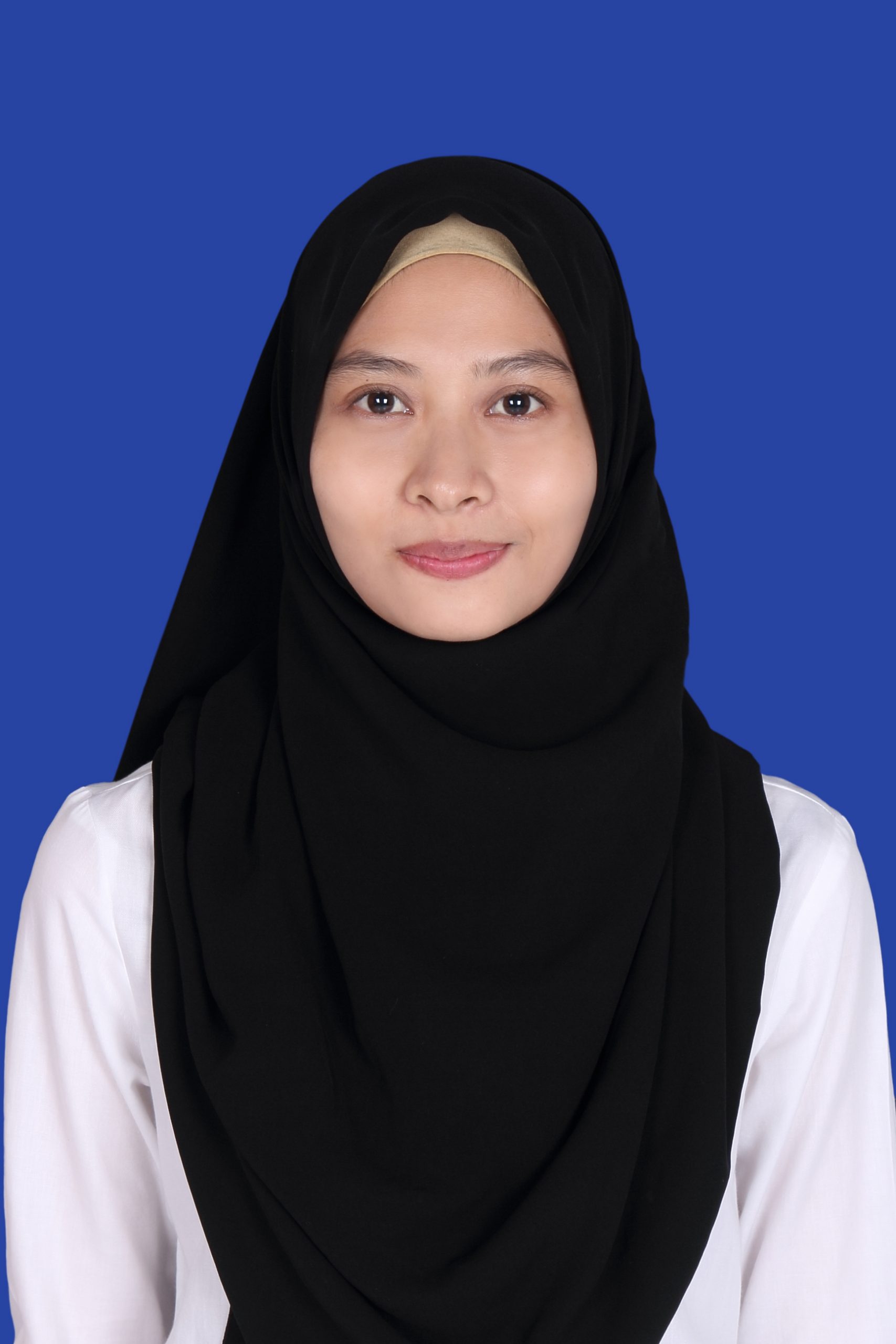
Ayu Fahimah Diniyah Wathi, S.Si., M.Sc.
Mrs. Ayu is a lecturer at Universitas Terbuka with a strong academic background in science. She holds a Bachelor of Science (S.Si.) and a Master of Science (M.Sc.) degree. Her expertise focuses on environmental chemistry and integrating scientific knowledge into distance learning. Beyond teaching, she actively contributes to research and community service, particularly in promoting science literacy and innovative teaching methods for open and distance education.
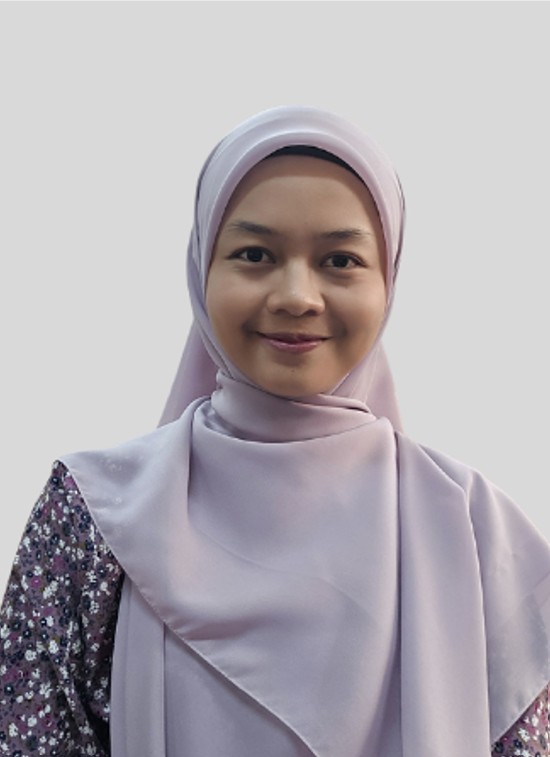
Dola Suciana, M.Pd.
Mrs. Dola is a lecturer at Universitas Terbuka specializing in education. She holds a Master of Education (M.Pd.) focusing on curriculum development and instructional strategies in distance learning. Known as a communicative and student-oriented lecturer, she emphasizes digital modules, tutorials, and academic support. She also conducts research and contributes to community programs that enhance teacher capacity and learning outcomes.