Course Description
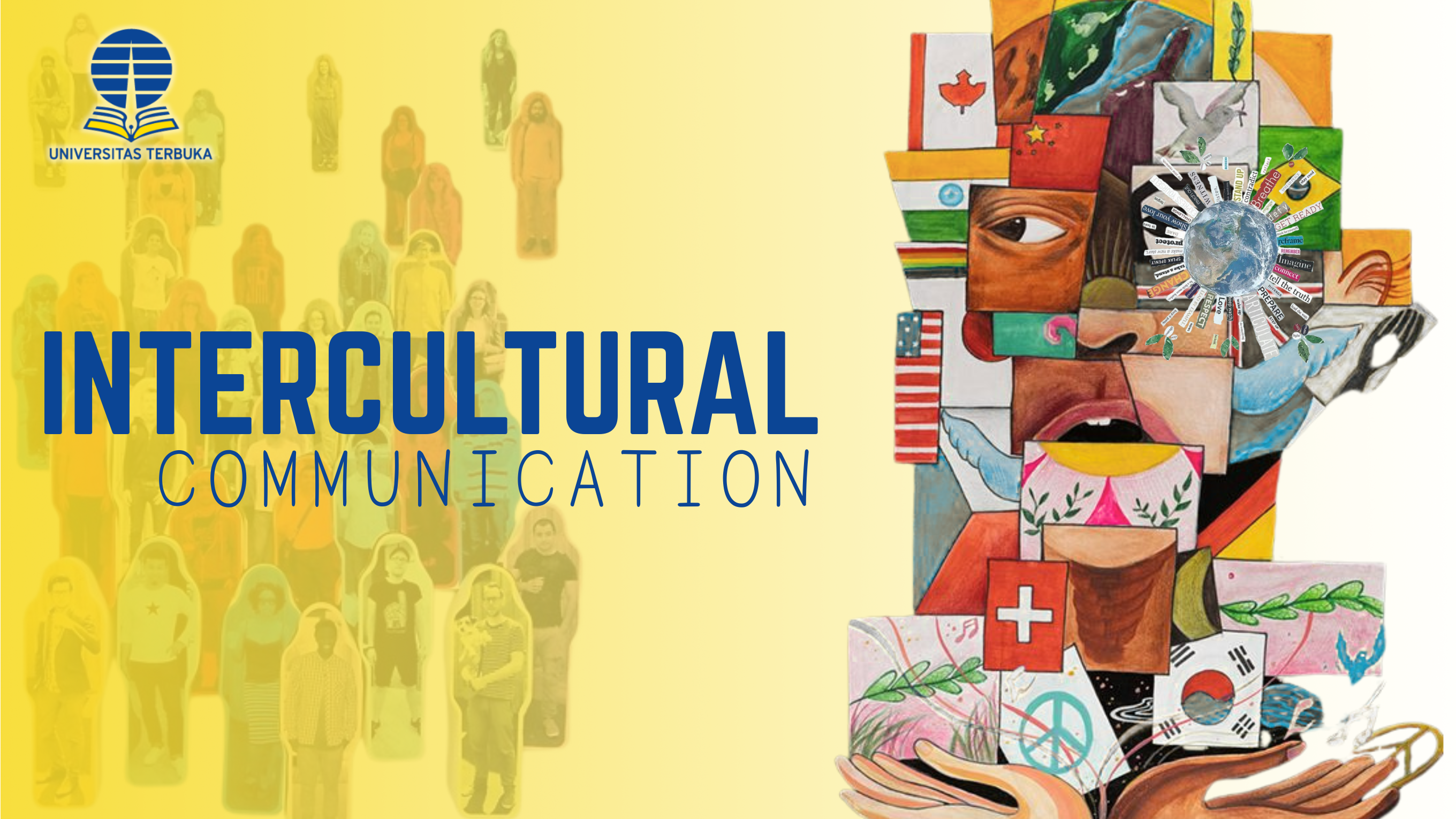
This course introduces learners to the foundational concepts, theories, and practical strategies of intercultural communication. Through five comprehensive sessions, participants will explore Language and Culture, Cultural Conflict, Cultural adjustment, Gender Issues, and Life Values in intercultural contexts. The course combines theoretical insights with real-world applications, encouraging learners to reflect on their own cultural perspectives and develop empathy and adaptability in diverse settings.
Designed for students and lifelong learners, this course offers a flexible and engaging learning experience. By the end of the course, participants will be equipped with the knowledge and skills to navigate cultural differences with confidence and competence.
Learning Outcomes
After completing this course, students will be able to demonstrate intercultural awareness and communication skills through the following competencies:
Language and Culture: Explain how language reflects cultural values, beliefs, and worldviews, and identify examples of how culture influences language use and interpretation.
Cultural Conflict: Recognize the causes of cultural conflict and apply strategies to manage misunderstandings with empathy, clarity, and respect.
Cultural Adjustment: Describe the stages of cultural adjustment and develop personal strategies to adapt effectively in intercultural environments.
Gender Issues: Analyze how gender roles and norms vary across cultures and evaluate their impact on communication, workplace dynamics, and social expectations.
Life Values: Reflect on personal, family, and workplace values across cultures and explain how these values influence behavior, relationships, and decision-making.
LECTURERS

Adrian Rasyki
Adrian Rasyki is a lecturer in the English Education Department at the Faculty of Teacher Training and Education, Universitas Terbuka, Indonesia. With a strong academic background and a specialization in Applied Linguistics, he brings a wealth of expertise to the field of language education and intercultural communication. In addition to his teaching and research roles, Adrian actively participates in national and international academic collaborations, including his role as a instructor of BINAR, BIPA and MOOC on Intercultural Communication hosted by the ICE Institute. His commitment to open education and lifelong learning reflects his belief in the transformative power of accessible, inclusive, and culturally responsive teaching.
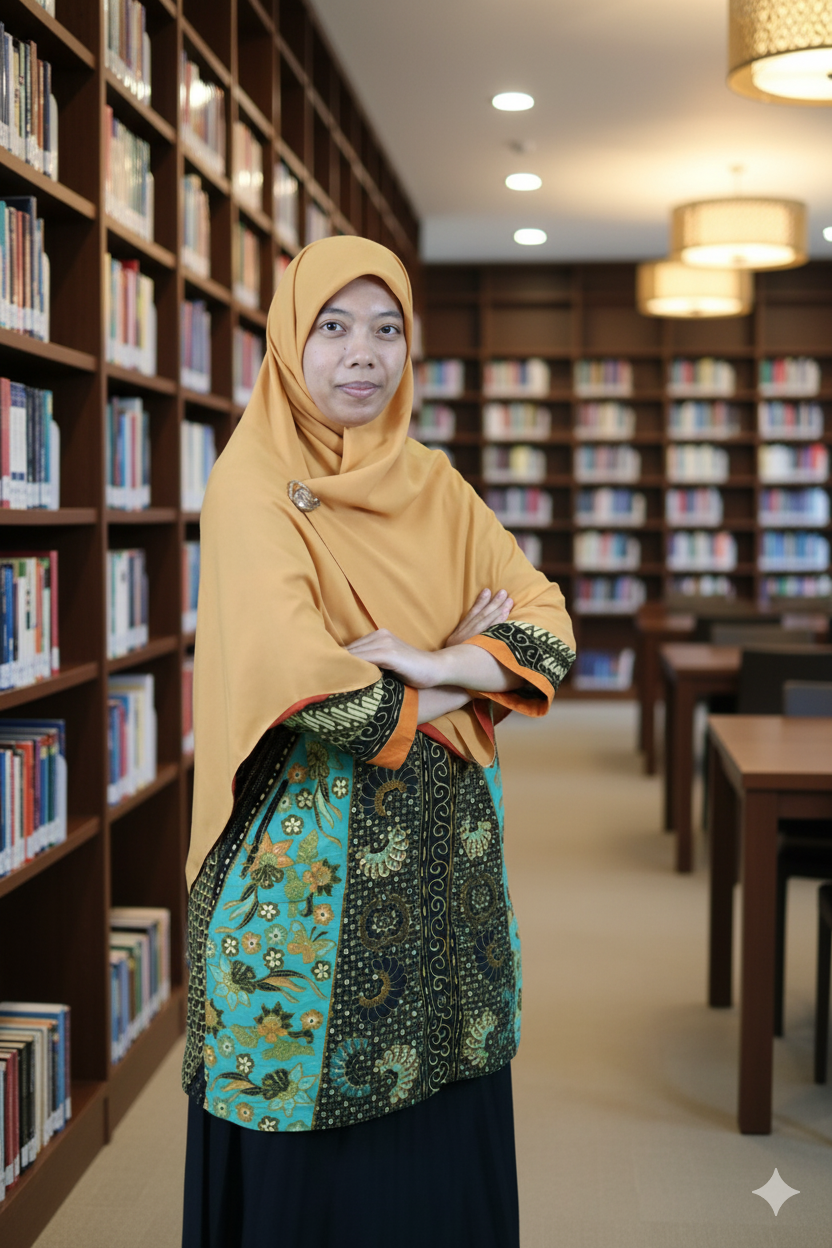
Siti Hadianti
Siti Hadianti is a lecturer in the English Education Department at the Faculty of Teacher Training and Education, Universitas Terbuka, Indonesia. Her academic interests include speaking skills development, interaction in online learning, and teacher professional development. Drawing on her experience in open and distance education, she encourages learners to understand cultural diversity and communicate effectively across cultures. Through this course, she aims to help participants enhance their intercultural awareness and confidence in using English in multicultural contexts.

Dwi Rezki Hardianto
DWI REZKI HARDIANTO, An individual with an interest to exploring literature, film, and socio-political-cultural phenomena. His research is highly multi-paradigmatic, encompassing perspectives such as psychoanalysis, Marxism, post-Marxism, aesthetics, postmodernism, and others. He is a lecturer at English Education Departmen, Universitas Terbuka. He actively writes opinion pieces at various online media and newspaper, as well as scholarly articles in reputable journals. He has published several books, both individually and in chapter, including Sehimpunan Puisi: Tragedi Antara (2020), Antara Maskulinitas dan Feminitas: Perlawanan Terhadap Gender Order (2021), Dari Repertoar hingga Ideologi dalam Konstruksi Sastra (2021), and Metanarasi Pendidikan Nasional (2024). He can be reached via email at [email protected] or through his Instagram account @dwirzkihrd_.