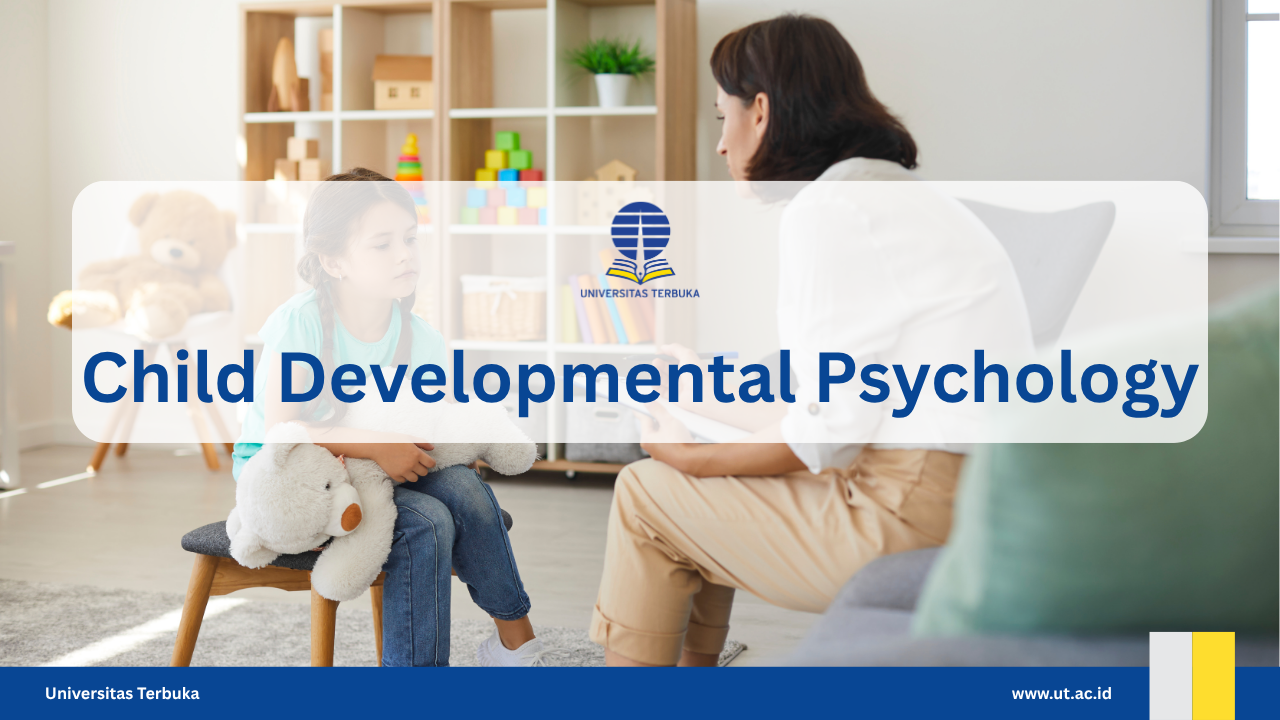
Welcome to Child Developmental Psychology
A colorful, practice‑oriented journey into how children grow, learn, and thrive — with special attention to early childhood (ages 4–6). Explore core theories, key domains, and classroom strategies that nurture holistic development.
Course Description
This course introduces the fundamental concepts of human development from infancy through adolescence, with a strong emphasis on early childhood. We will discuss physical and motor development, social‑emotional growth, moral and religious development, as well as cognitive, language, and artistic development in young children. Other topics include play in early childhood, individual differences in learning, children with special needs, and Gardner’s theory of multiple intelligences. Students will also learn about key developmental theories such as those of Piaget, Vygotsky, and Erikson, and explore how family, culture, education, and technology shape children’s growth.
Language of Instruction
This course will be conducted in English to encourage academic communication and global understanding of developmental psychology.
English‑Medium Academic Communication Global Perspective
Learning Outcomes
- Explain major theories and stages of child development.
- Identify characteristics of physical, cognitive, emotional, social, moral, and artistic development in children aged 4–6.
- Analyze the role of family, culture, and environment in shaping children’s learning and well‑being.
- Recognize individual differences, including children with special needs.
- Apply developmental psychology principles to educational and parenting practices.
Course Duration & Flow (5 Weeks)
Topic 1: Principles of Human Development
Topic 2: Physical Development
Topic 3: Social, Emotional, Moral, and Religious Development
Topic 4: Cognitive and Language Development
Topic 5: Artistic Development and Play Activities
Each session blends theory, case studies, and guided discussion to consolidate understanding.
Lecturer
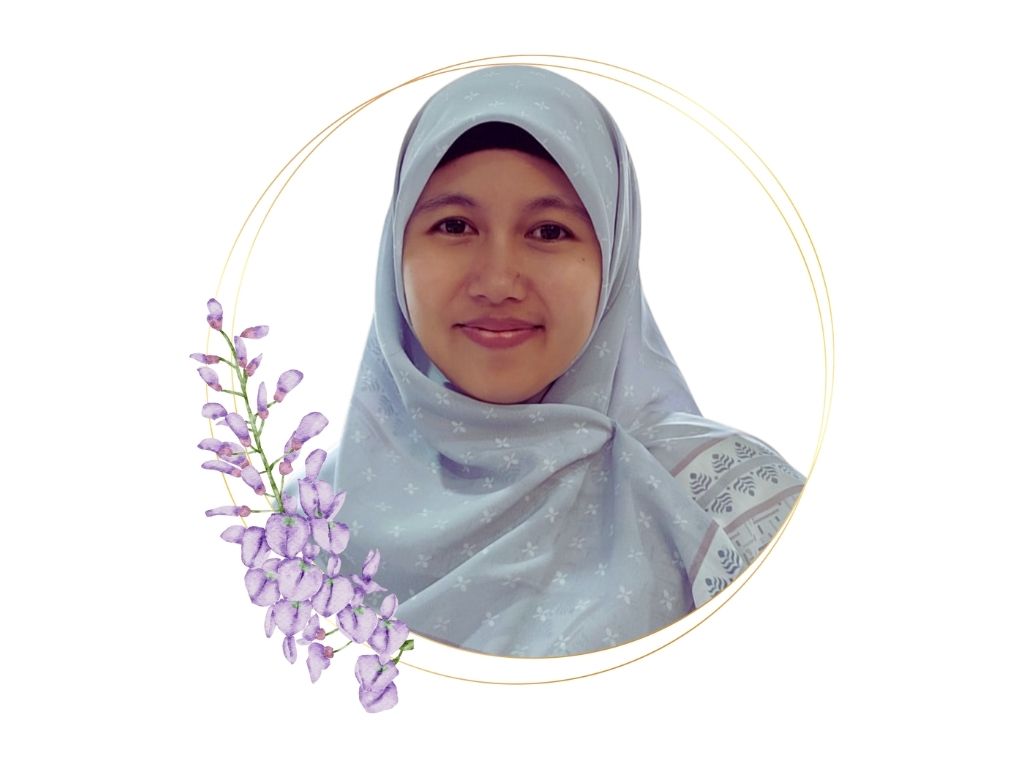
Erna Risnawati, M.Si
Faculty of Education & Teacher Training, Universitas Terbuka
Erna Risnawati earned her Bachelor’s degree in Psychology from UIN Syarif Hidayatullah Jakarta and her Master’s degree in Developmental Psychology from the University of Indonesia. She currently serves as a lecturer at the Faculty of Education and Teacher Training, Universitas Terbuka Indonesia, where she is actively involved in teaching, research, and community engagement. Her scholarly interests center on developmental psychology, early childhood education, and child well‑being, with a particular focus on parenting, Theory of Mind, Mental Time Travel, father involvement, and mental health. Erna is passionate about exploring how psychological theories can be applied to improve educational practices and family dynamics, especially in fostering resilience and holistic development in children. Beyond the classroom, she has presented her research at various international conferences and contributed to publications in reputable academic journals. Through her work, she aspires to bridge the gap between theory and practice by designing interventions and educational models that promote children’s growth, well‑being, and positive family relationships. She is also committed to mentoring students and collaborating with fellow scholars to advance research in psychology and education, particularly within the Indonesian and Southeast Asian context.
Developmental Psychology Early Childhood Child Well‑Being Parenting Theory of Mind Mental Time Travel Father Involvement Mental Health